
Giving too much to the regulator
Not too much. Not too little.
 A policeman walks up to a patron at the bar and asks, “Is that your green pickup parked outside?”
“No shir, offisher,” was the quick, but unsteady reply. “That pickup'sh not mine. That pickup'sh shtolen.”
Make sure you don't give too much information to the regulator when you submit an application. If you give them too little, you'll be bogged down forever in supplemental information requests. But giving too much is even worse for three reasons. First, the regulator staff will process everything you give them and that makes their approval process longer. Second, you may unwittingly expose a compliance issue that will cause significant regulatory pain. And finally, you expose all your maps and data to the public domain immediately.
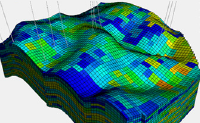
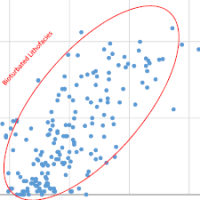 In a recent application, this operator showed mapping and data that had been used in a simulation -- but she neglected to show the mapping required by the regulator. This is the worst of both worlds. She'll face information requests and also expose too much information to the world. We found this information using AppIntel.
This operator needs someone who really knows what they're doing. Proven has submitted 1000 applications to the regulator. Because of that we read between the lines of the regulation guides. We know how to protect you while getting the best approval. Can we help?
Each AER application contains your neighbor's perspective on the exploitation of oil and gas formations. Applications contain more technical data even than SPE papers.
Would you like to see what other operators in your areas are thinking about seismic, multifractured wells, polymer schemes and recovery? AppIntel can help.
Subscribers can view this application by pasting the following link into their browser after logging into AppIntel. http://app.appintel.info/AOW.php?pxnrg=344n6y35343936393138395564
?subject=Send%20me%20this%20application&body=Please send me the application behind Giving too much information to the regulator %0D%0A%0D%0A Check pricing for this application. See https://www1.appintel.info/order-application-on-demand%0D%0A%0D%0A I want to pay by:%0D%0A[ ]Visa%0D%0A[ ]MasterCard%0D%0A[ ]Cash%0D%0A[ ]Company Cheque%0D%0A%0D%0AMy Name:%0D%0AMy Phone Number:%0D%0A%0D%0AWe aim to answer email orders within two hours.%0D%0A(If your inquiry is of a more urgent nature then please do not hesitate to call us at 403-803-2500.)" class="orderButton"> Or get this application nowTags: Polymer, Flood
 Granger Low 26 Apr 2016




Stop overspending. Start making more oil and gas with AppIntel AI.
Yesterday’s skills are not enough. Here’s why you are still behind.

The secret to getting more: Heavy oil, tight rock, thin pay
Polymer flooding is the right niche for this difficult play

Winning at Natural Gas STORAGE WAR$
The real prize in gas storage comes back with the gas

Focus on bitcoin
Bitcoin mining with stranded gas

Bored already? Back to thermal school!
New idea: Working steam up the over burden

Absent salt cavern education?
Things you didn't learn in school about salt caverns
 Calgary, Alberta, Canada
 Share
Share